Predictive Maintenance Using AI
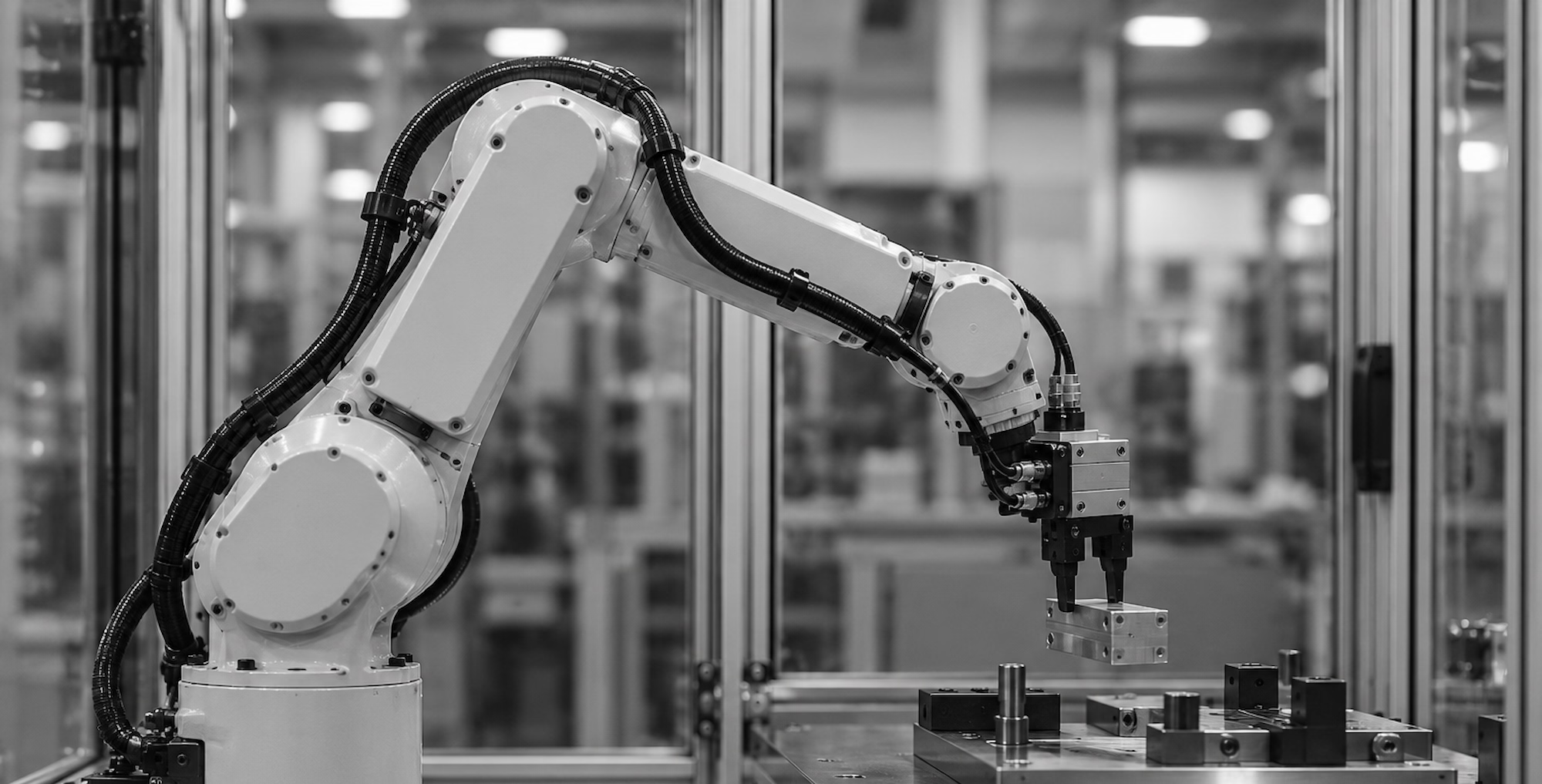
Equipment often starts behaving differently before it fails. A change in vibration, a rise in temperature or an unfamiliar acoustic pattern can provide an early indication that performance is beginning to shift.
AI-based predictive maintenance
AI-based predictive maintenance helps manufacturers recognise these changes and assess what they mean for the operation. By analysing equipment data alongside operating conditions, teams can investigate developing issues and plan interventions before they cause wider disruption.
In F1™, telemetry helps engineers understand how the car is responding under changing conditions and decide when to act. At PurpleSector, we bring F1™-derived tools, technologies and culture into industry through Industrial Racecraft™. Applied to maintenance, this means understanding equipment behaviour in context and making better, faster decisions about the response.
Our sensors capture signals that conventional monitoring can miss. CortexOne brings these measurements together with existing operational data, helping teams connect changes across the process and focus attention where it matters.

.......................................................................
How AI driven predictive maintenance works
AI-driven predictive maintenance uses machine learning to investigate patterns in equipment and process data. Depending on the application and the evidence available, models can flag unusual behaviour, help classify faults or estimate how equipment condition may develop.
Predictive maintenance AI tools need to account for the conditions in which a machine operates. A change in vibration under a heavier load may be expected; the same change under stable conditions could warrant investigation. Production rate, product mix, maintenance history and operator observations all help explain the signal.
This distinction matters when using AI for predictive maintenance in industrial systems. Recognising an anomaly is a starting point. Understanding whether it indicates deterioration, a process change or normal variation determines the appropriate response.
Useful predictions depend on relevant data, suitable models and validation against measured behaviour. Alerts can support maintenance planning, but their value comes from helping teams make a well-informed decision about what to inspect, when to intervene and how to limit disruption.
Using AI for predictive maintenance in manufacturing
Manufacturing equipment works as part of a connected system. A developing fault can affect quality, slow downstream processes or change the balance of the line before it causes a complete stoppage.
Using AI for predictive maintenance in manufacturing helps teams investigate those relationships. Maintenance priorities can then reflect both equipment condition and the consequences for production.
Capturing the signals that matter
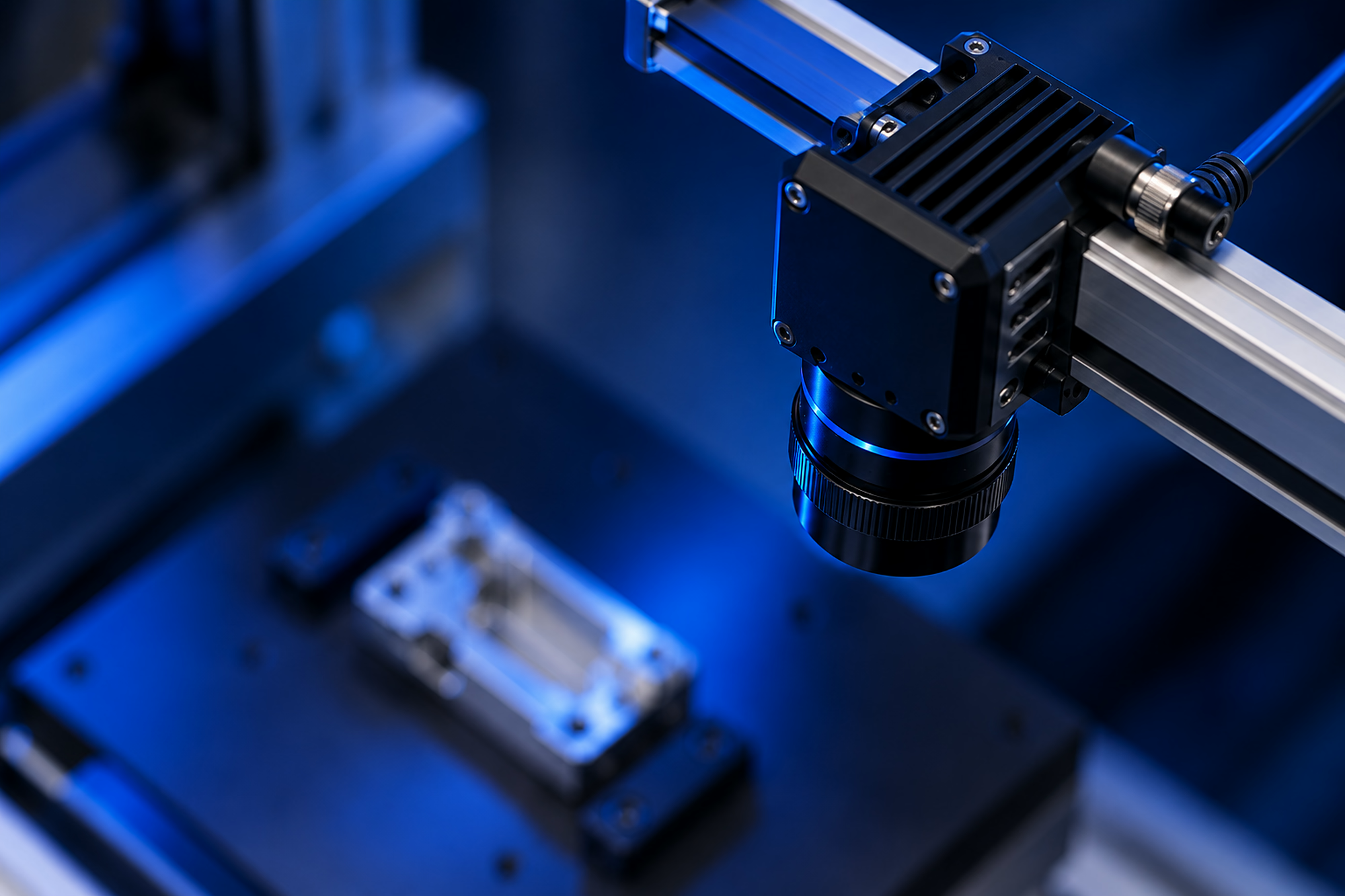
PurpleSector’s vision, acoustic, thermal, vibration and volatile organic compound (VOC) sensors help fill gaps in existing measurements. The choice of sensing depends on the equipment, the process and the behaviour being investigated.
We call this deeper visibility extreme observability. It helps teams recognise weak signals that may be lost in the noise when measurements are viewed separately. For AI-based predictive maintenance, that provides a stronger foundation for analysing changing conditions.

.......................................................................
Connecting equipment behaviour with operational context
CortexOne connects information from multiple sources to help teams understand how and why a process is changing. An acoustic change, for example, can be assessed alongside temperature, machine load and recent adjustments.
AI-driven predictive maintenance can support this analysis by identifying patterns that deserve attention. Engineers and operators bring the practical knowledge needed to investigate the cause and judge the significance of the result.
Planning the right intervention
Earlier warning gives maintenance teams more options. They can investigate a developing issue, arrange parts and resources, or assess whether work can be aligned with a planned production stop.
Predictive maintenance AI should help teams prioritise those choices. A useful recommendation accounts for the condition of the asset, the confidence in the prediction and the operational impact of acting or waiting.
Some alerts and work-order tasks can be automated through integration with maintenance systems. Decisions about physical intervention still need to reflect engineering requirements and the operating limits of the equipment.
Choosing AI predictive maintenance companies
When comparing AI predictive maintenance companies, start with the maintenance problem you need to solve. Which equipment is causing recurring disruption? What evidence is available? What decision would earlier insight help your team make?
A useful solution needs to fit your equipment, data and maintenance workflow. Ask how models will be validated, how alerts will reach the people responsible for acting, and how performance will be assessed as operating conditions change.
At PurpleSector, our approach combines sensing, engineering expertise and operational context. We help manufacturers investigate the behaviour behind lost performance and use that understanding to guide improvements.
The impact of AI for predictive maintenance in manufacturing should be judged through outcomes such as reduced unplanned downtime, fewer repeat faults and more effective maintenance planning. Better visibility is valuable when it leads to action that improves the operation.
To explore how AI-driven predictive maintenance could support your equipment and production processes, get in touch with the PurpleSector team.
FAQ’s
An AI-based predictive system uses patterns in data to estimate a future condition or outcome. In maintenance, it can help assess equipment condition, identify signs of deterioration and estimate when an intervention may be needed.
An AI-based predictive maintenance system combines relevant equipment data with models developed for the application. Its predictions support maintenance decisions and need to be checked against actual performance.
Examples include analysing vibration patterns for signs of bearing deterioration, investigating acoustic changes in rotating equipment and monitoring temperature trends that could indicate abnormal operating conditions.
AI for predictive maintenance in manufacturing can help teams compare these signals with operating history and current production conditions. The aim is to focus investigation and plan maintenance around evidence of changing equipment behaviour.
Machine learning is used in AI-driven predictive maintenance to identify patterns in equipment data. Anomaly detection can flag behaviour that differs from an established baseline, while models trained on labelled examples can help identify known fault patterns.
The appropriate technique depends on the available data and the question being asked. Detecting an unusual condition and predicting the time to failure require different evidence and validation.
AI-based predictive maintenance can analyse data from connected sensors and existing systems to identify changes that warrant attention. Teams can use that insight to investigate equipment, prioritise work and assess when to intervene.
The practical starting point is a defined maintenance use case, with clear responsibility for reviewing alerts and acting on the findings.
AI-driven predictive maintenance can be applied wherever equipment condition affects operational performance. Applications include manufacturing machinery, transport assets and equipment used in energy production.
The suitability of AI for predictive maintenance in industrial systems depends on the asset, the failure modes being investigated and the data available to support a useful prediction.
AI for predictive maintenance in industrial systems helps teams analyse condition data and identify patterns that may indicate deterioration. It can support the prioritisation of inspections and maintenance work alongside scheduled preventive tasks and engineering judgement.
Generative AI can also help retrieve or summarise maintenance information. Predicting equipment condition, however, requires models suited to the operational data and the behaviour being assessed.


Get in touch