Covid Ventilator Challenge UK: 23 Years of Production in 12 Weeks
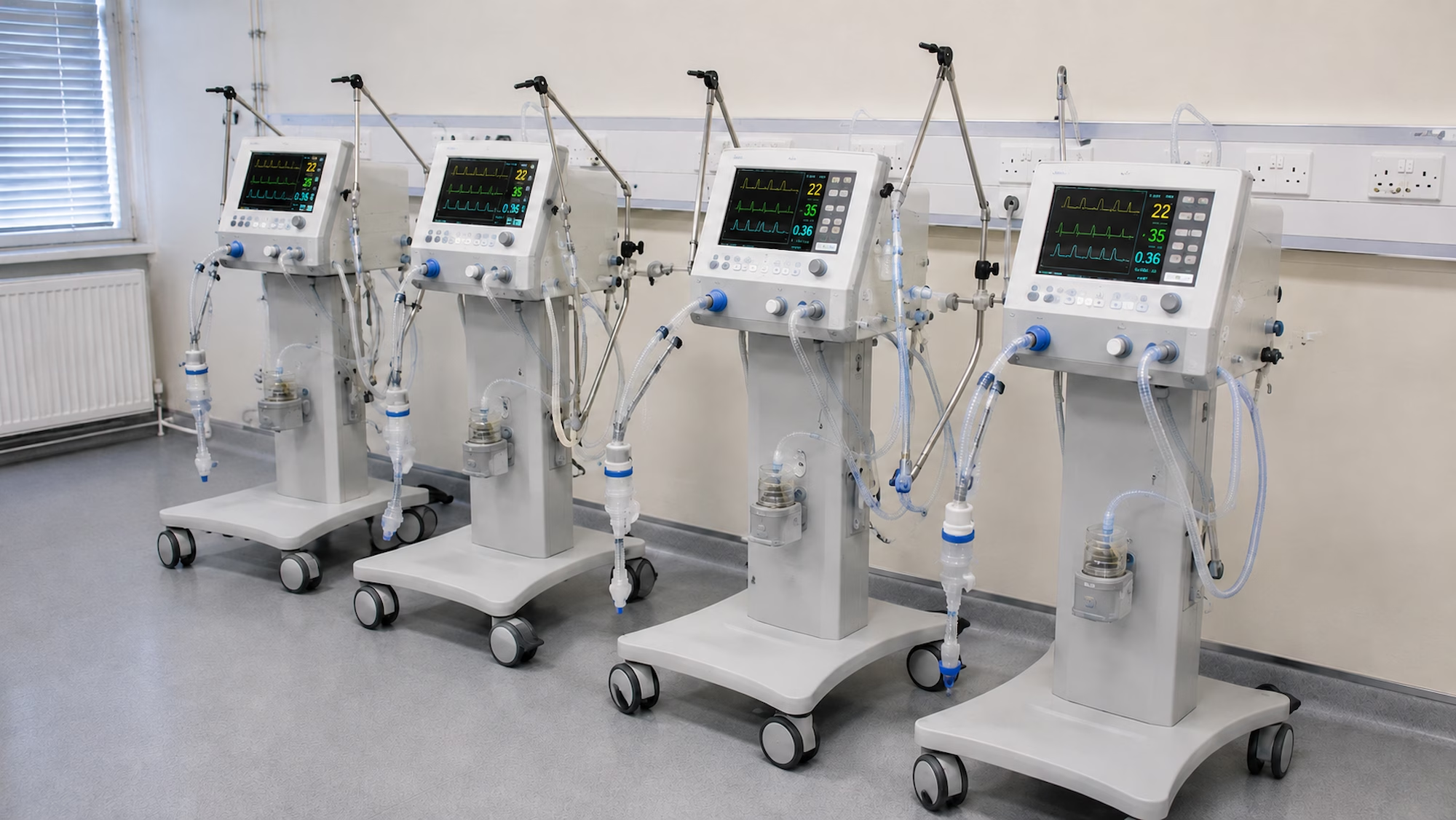
A global manufacturing emergency that demanded F1™ pace.
When COVID-19 reached the UK, forecasts indicated that demand for mechanical ventilation could overwhelm existing NHS capacity. The challenge was not simply to manufacture more ventilators. It was to take a highly regulated, safety-critical medical device, redesign it for manufacture at unprecedented scale, create new supply chains and production facilities, train thousands of people and maintain absolute quality - all within weeks.
For Mark Mathieson MBE, now CEO of PurpleSector, the programme became a defining demonstration of what happens when Formula 1™ ways of working are applied beyond the racetrack.
In March 2020, UK Government called on industry to rapidly increase ventilator capacity.
A safety-critical product. A national emergency. An immovable deadline.
Mark, then Director of Innovation at McLaren, was asked to mobilise Formula 1™ engineering capability into the national response. Working as part of VentilatorChallengeUK, he led McLaren’s contribution across engineering, issues management, procurement and production support, while coordinating expertise from across the wider UK F1™ community. The objective was clear: increase production at a rate that conventional manufacturing processes had never been designed to achieve. Penlon, the specialist medical-device manufacturer behind the ESO2, normally manufactured around 40–50 machines across its entire product range each month. Government initially ordered 15,000 ESO2 ventilators. Each device depended on hundreds of different components, many suddenly subject to extreme global demand. New manufacturing sites had to be established, specialist operators recruited and trained, and regulatory approval achieved - all while the country was operating under lockdown.
There was no time to approach those problems sequentially. The programme operated like an F1™ team: work organised around decision timelines, not sequential tasks; authority aligned with expertise, not hierarchy; teams executing in parallel, even when data is imperfect; and relentless reconciliation with reality. Engineering, sourcing, certification, manufacturing, logistics and training progressed simultaneously. McLaren engineers modelled the ventilator’s airflow, undertook detailed failure-mode analysis and worked with Penlon to optimise the design. Planning and procurement teams worked with more than 100 suppliers, while critical components were identified and secured before they could become production constraints.
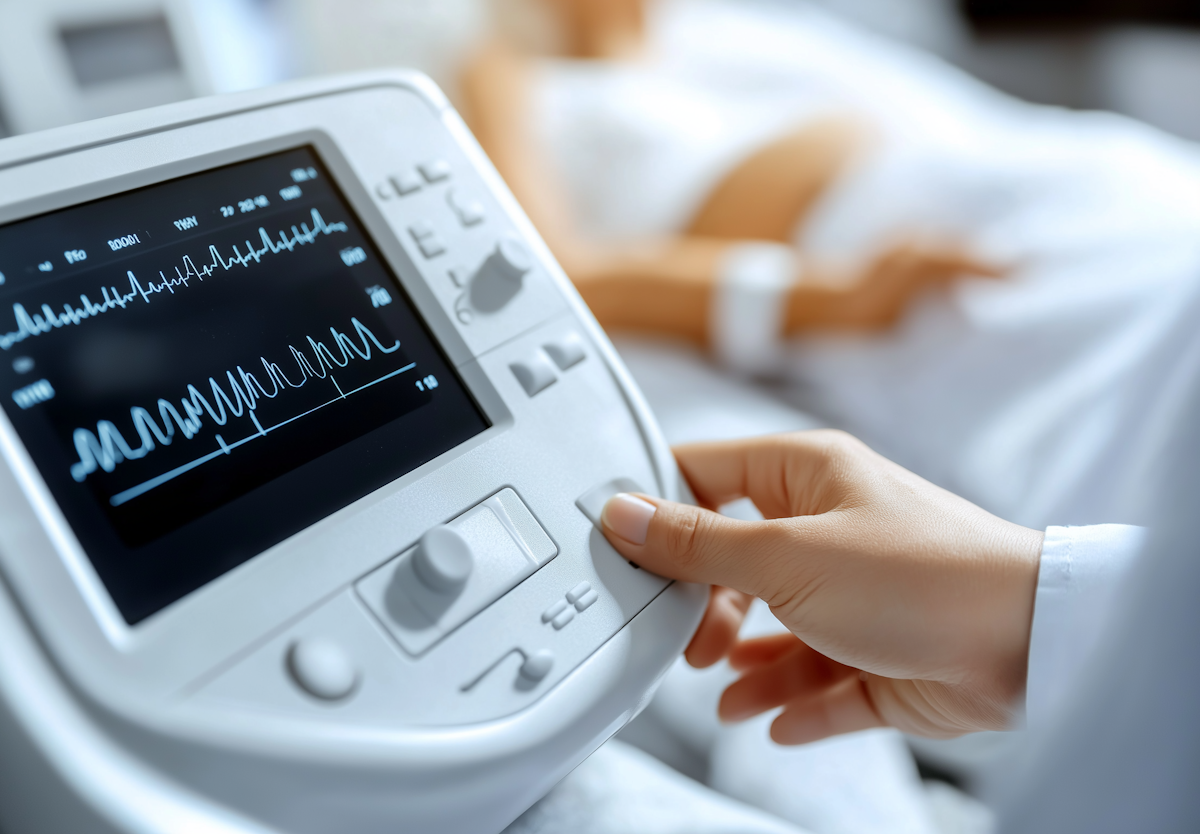
Within 4 weeks, around 10 million new parts had reached the central stores operation.
Across VentilatorChallengeUK, new parallel supply chains ultimately handled around 42 million parts and electronic components sourced from 22 countries. At the same time, manufacturing capacity was being created from scratch. Digital twins were used to design new production systems remotely. Mixed-reality technology enabled specialist knowledge to be transferred across the country and helped train more than 3,500 front-line assembly workers while maintaining social distancing. Processes and product evolved together. Problems were escalated immediately. Authority sat with the people closest to the information. Speed never came at the expense of safety.
The adapted Penlon ESO2 achieved MHRA approval in just three weeks, becoming the first newly adapted ventilator to receive regulatory authorisation through the Government’s COVID-19 response. CE certification followed, enabling the device to remain in service beyond its original emergency authorisation.
.avif)
The result was an extraordianry acceleration in output:
- 23 years
Equivalent normal production delivered in 12 weeks.
- 13,437
Ventilators delivered by VentilatorChallengeUK.
- 400+
Ventilators produced per day at peak output.
- 3 days
Shortest time taken to produce 1,000 ventilators.
- 3,500+
Front-line assembly workers recruited and trained.
- 42 million
Parts and electronic components mobilised through the programme.
The first 100 ventilators took approximately 4 weeks to produce. By the end of the programme, the final 1,000 were being produced in around 2.4 days - approximately 150 times the production rate Penlon had previously achieved. The programme helped more than double the ventilator stock available to the NHS and ensured that everyone who required mechanical ventilation during the first wave could access it.
For his contribution, Mark Mathieson was awarded an MBE for services to the Ventilator Challenge.
.avif)
But the programme left another legacy.
It demonstrated that the operating principles developed in Formula 1™ - clarity of objective, authority aligned with expertise, real-time information, parallel execution and continuous reconciliation against reality - could produce radical performance gains in a completely different, highly regulated industry.
That experience became a defining proof point for the thinking behind PurpleSector.
Today, we apply those same principles, technologies and behaviours to complex industrial challenges through Industrial Racecraft™ - helping organisations make better decisions, remove constraints and deliver critical products and capability at a pace conventional operating models struggle to achieve.
FAQ’s
VentilatorChallengeUK brought together leading organisations from Formula 1™, automotive, aerospace, advanced manufacturing, technology and medical devices to rapidly increase ventilator production for the NHS during the COVID-19 pandemic.
Then Director of Innovation at McLaren, Mark led McLaren’s contribution to the programme and helped mobilise Formula 1™ engineering, manufacturing and supply-chain expertise to support the rapid development and scale-up of ventilator production.
Instead of progressing engineering, procurement, manufacturing, training and certification sequentially, teams worked in parallel. Decisions were made by those closest to the relevant expertise and data, with constraints identified and resolved continuously.
The programme combined simulation, rigorous failure-mode analysis, specialist test equipment, controlled manufacturing processes and accelerated regulatory engagement. The Penlon ESO2 achieved MHRA approval in just three weeks.
It demonstrated that Formula 1™ derived ways of working can transfer into safety-critical industry - enabling organisations to compress development and production timelines without compromising the standards required of the finished product.

.avif)
Get in touch