Digital Twins in Manufacturing
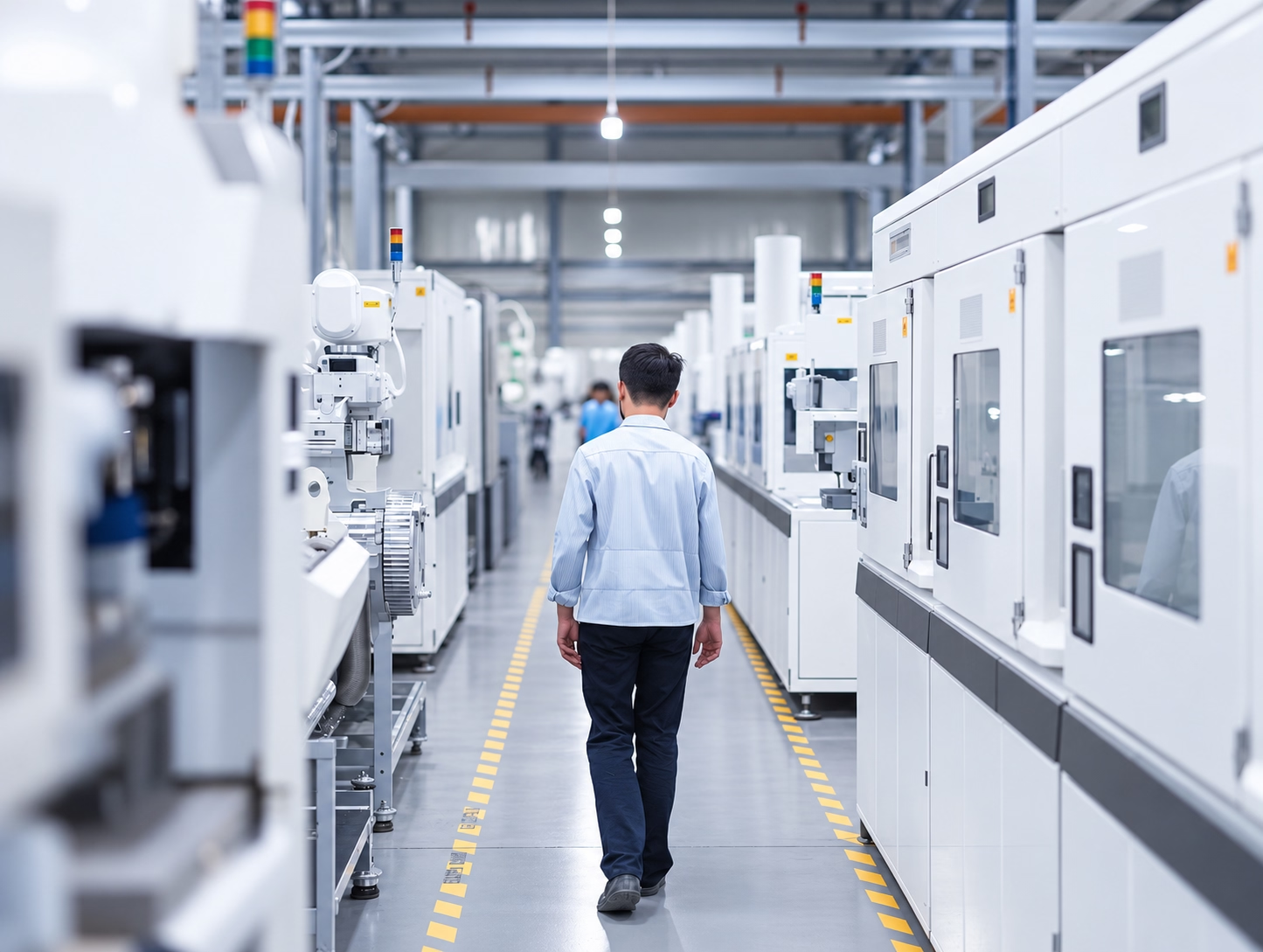
A production line can be running and still lose performance. Digital Twins help find the constraints, test the response and improve the result.
A change in equipment behaviour, a shift in product mix or a growing queue between processes may affect output long before the line stops. Understanding how those changes interact gives manufacturers a better basis for deciding what to do next. Digital twin manufacturing systems connect a virtual representation of an asset or process with data from its physical counterpart. This allows teams to study current behaviour and explore how the operation could respond to different conditions. At PurpleSector, we bring F1™ derived tools, technologies and culture into manufacturing through Industrial Racecraft™. Using a digital twin for smart manufacturing applies that approach to operational decisions, helping teams test assumptions and evaluate improvements before committing changes to the production line.
Digital twin in smart manufacturing
A digital twin in smart manufacturing represents the aspects of a product, machine or process that matter to a particular operational question. It combines a model with data from the physical system, allowing that representation to be updated as conditions change.
A standalone simulation can explore a defined scenario. A digital twin maintains a connection to the operation it represents, helping teams compare expected behaviour with what is actually happening. The frequency of updates depends on the application and the decisions the twin needs to support.
The value of digital twin technology in manufacturing depends on the quality of both the model and the data behind it. Most factories already generate substantial amounts of information. The challenge is connecting that information to understand the conditions affecting performance.
PurpleSector’s proprietary sensors help fill gaps in existing data. CortexOne brings those signals together with information manufacturers already hold, providing the context needed to recognise relationships between changes across the process. That understanding provides a stronger foundation for digital twin manufacturing systems. Teams can investigate why performance is changing, compare possible interventions and assess the effects on the wider operation. Models must be validated against measured behaviour and kept relevant as the physical system changes.
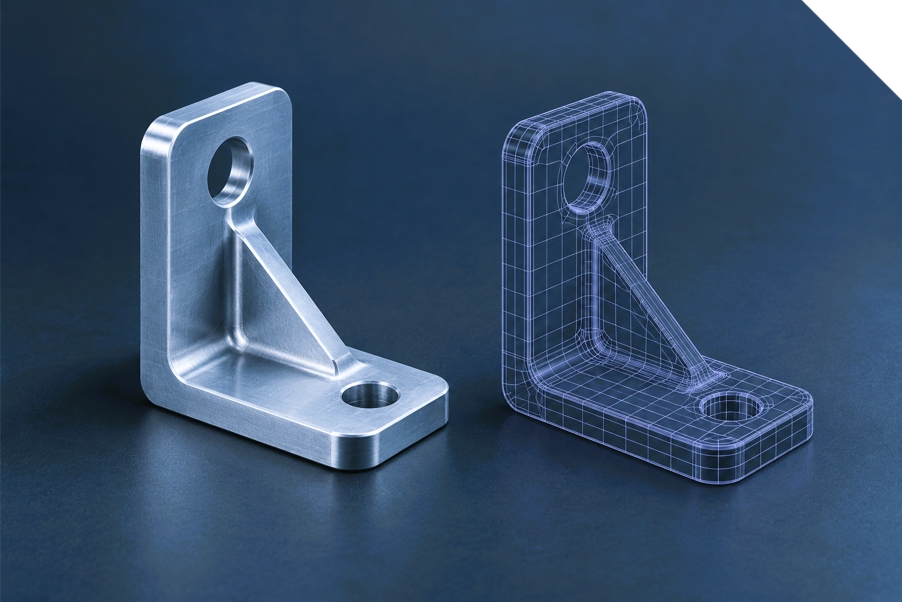
Digital twin applications in manufacturing
Digital twin applications in manufacturing range from monitoring individual machines to evaluating changes across a complete production system. The right scope depends on the problem being addressed and the data needed to understand it.
......................................................................
Predictive maintenance
Equipment often shows signs of deterioration before it fails. Changes in vibration, temperature or sound can provide an early indication that a process is moving away from its expected behaviour.
Digital twin manufacturing systems can support predictive maintenance by comparing observed equipment behaviour with modelled expectations. When a difference emerges, teams can investigate the surrounding conditions and assess whether an intervention is needed.
At PurpleSector, we call this deeper understanding of equipment and process behaviour extreme observability. Our sensors capture subtle changes, while CortexOne connects information from multiple sources to help teams distinguish meaningful signals from background noise.
Used alongside this insight, a digital twin can help teams explore how maintenance timing or changing operating conditions might affect production. This supports interventions based on equipment behaviour and operational priorities.
......................................................................
Quality control
Product quality is influenced by the conditions across the manufacturing process. A variation in temperature, material properties or machine settings can affect output, even when the equipment appears to be operating normally.
Digital twin technology in manufacturing can help teams investigate these relationships. By combining process models with relevant production and quality data, manufacturers can explore how changes in operating conditions may influence product consistency.
For example, teams could compare process settings in the virtual environment before conducting a controlled production trial. This helps focus testing on the most promising options and provides a clearer basis for investigating the causes of defects.
This application of digital twins in manufacturing gives quality teams a clearer basis for deciding which process changes to test. Inspection and physical testing confirm whether the product meets its requirements.
......................................................................
Factory layout
Moving a machine changes more than its position on the factory floor. It can affect material flow, access for operators and the balance between stages of production.
Using a digital twin in smart manufacturing allows teams to assess these interactions before making physical changes. A model informed by operational data can help compare layouts, identify congestion and evaluate how a proposed configuration responds to different production demands.
The same approach can be used to investigate additional equipment or new routes through the facility. Teams can assess whether a change addresses the underlying constraint and what it means for the rest of the production system.
Testing options virtually helps reduce uncertainty before installation. The implementation itself still needs to be planned around production requirements, access and commissioning.
To explore how digital twin manufacturing systems could help you understand and improve operational performance, get in touch with the PurpleSector team.
FAQ’s
Digital twin technology in manufacturing combines a model of an asset or process with relevant data from the physical operation. That data may come from connected sensors, existing manufacturing systems and production records.
Development starts with the decision the twin needs to support. Engineers and operators identify the behaviour that must be represented, build the model and validate it against measured performance. The data connections and model then need to be maintained as the operation changes.
The time required depends on the scope, the availability of usable data and the complexity of connecting the model to existing systems. A digital twin focused on one machine is a different undertaking from a model spanning several production lines or sites.
Starting with a clearly defined use case helps establish what is needed for a useful digital twin for smart manufacturing. The scope can then expand as the model is validated and further applications are identified.
Further development of digital twin applications in manufacturing could help teams assess changing conditions and respond sooner. Connected data and advances in modelling can support more frequent updates and more detailed scenario testing.
AI can support tasks such as identifying patterns or evaluating potential responses, but reliable decisions still depend on validated models and an understanding of operational constraints. Any move towards automated control needs appropriate safeguards and clear human oversight.
Real-world digital twin applications in manufacturing include supporting predictive maintenance, investigating process conditions that affect quality and evaluating production layouts. A twin can also help teams assess capacity or explore how changes in demand could affect an operation.
The most useful application of a digital twin in manufacturing is one tied to a specific decision. By connecting the model to relevant operational data, teams can test options with a clearer understanding of the system and the consequences of change.

Get in touch