Simulation Software Use Cases
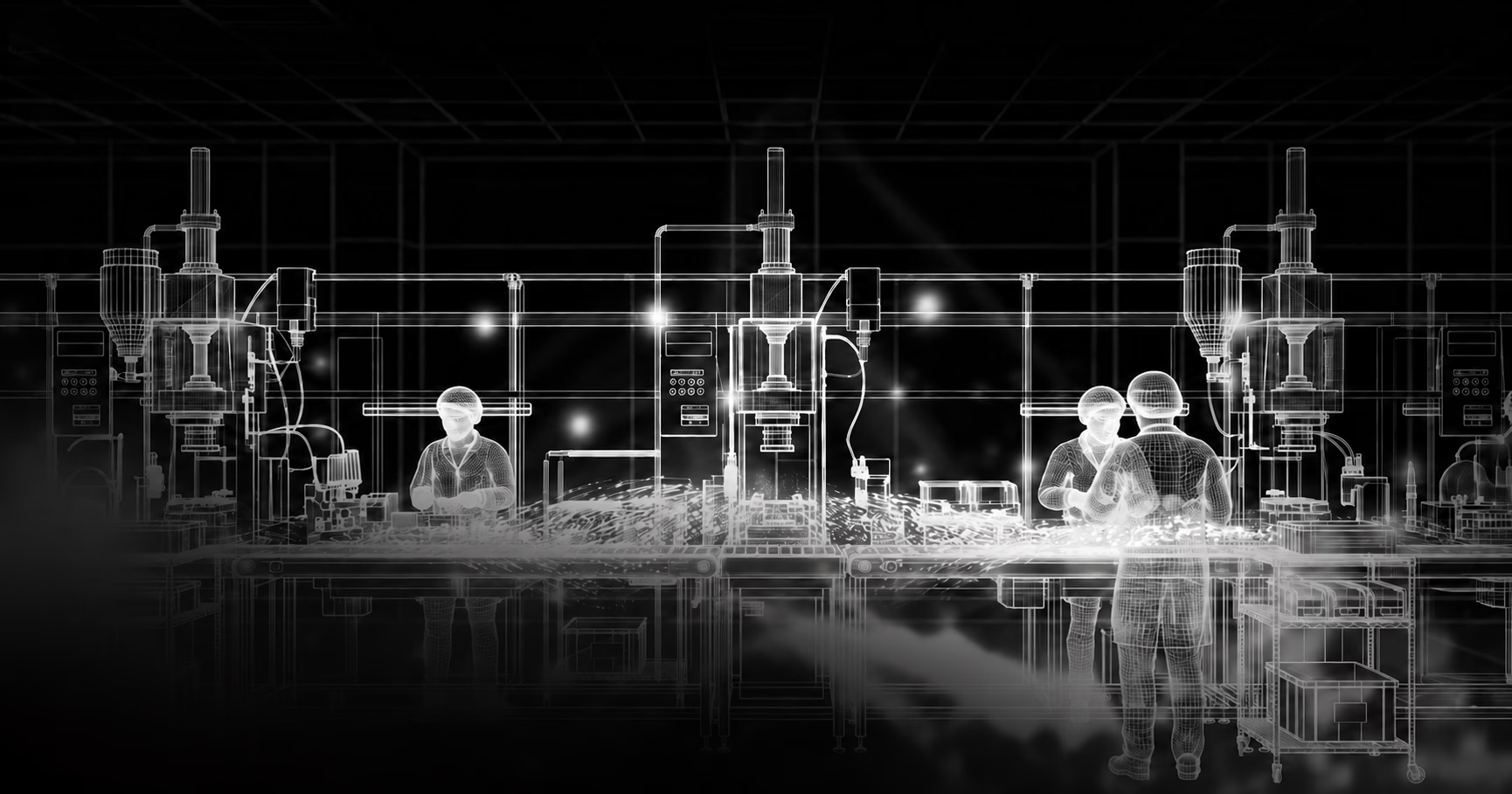
An improvement to one part of a production line can create a bottleneck somewhere else.
A faster machine may leave downstream equipment struggling to keep pace. A new product may change how materials move through the factory. Decisions that look straightforward in isolation can have consequences across the wider operation.
Manufacturing simulation software helps teams understand those consequences before making changes. By modelling how a system behaves, manufacturers can compare options and test their assumptions without using the production line as the test environment.
In F1™, simulation helps teams evaluate changes before committing valuable time on track. At PurpleSector, we bring F1™-derived tools, technologies and culture into industry through Industrial Racecraft™. Applied to manufacturing, this means understanding the complete system and using that context to make better, faster decisions.

........................................................................
Manufacturing simulation software
Manufacturing simulation software models the behaviour of production systems, helping teams investigate constraints and assess potential improvements. Depending on the application, it can represent anything from a single process to a complete factory.
The starting point is the operational question. Where is capacity being lost? What happens when the product mix changes? Will an additional machine improve output, or simply move the bottleneck?
Manufacturing process simulation software allows teams to explore these questions using information such as cycle times, equipment availability and production schedules. By changing variables within the model, they can see how different decisions are likely to affect throughput and resource requirements.
Factory layout and production flow
3D manufacturing simulation software can help teams visualise the layout of a factory alongside the movement of materials, equipment and people. This makes it easier to assess proposed changes in the context of the space available and the way the operation works.
For example, relocating a machine might shorten one transfer but create congestion at the next stage. Factory simulation software allows teams to compare layouts, investigate queues and assess whether a proposed route supports the required production rate.
A useful model must reflect operating conditions as well as physical layout. Changeovers, interruptions and variations in processing time can all affect the result. Including these factors helps manufacturers judge whether an improvement will hold up during day-to-day production.
Product and component development
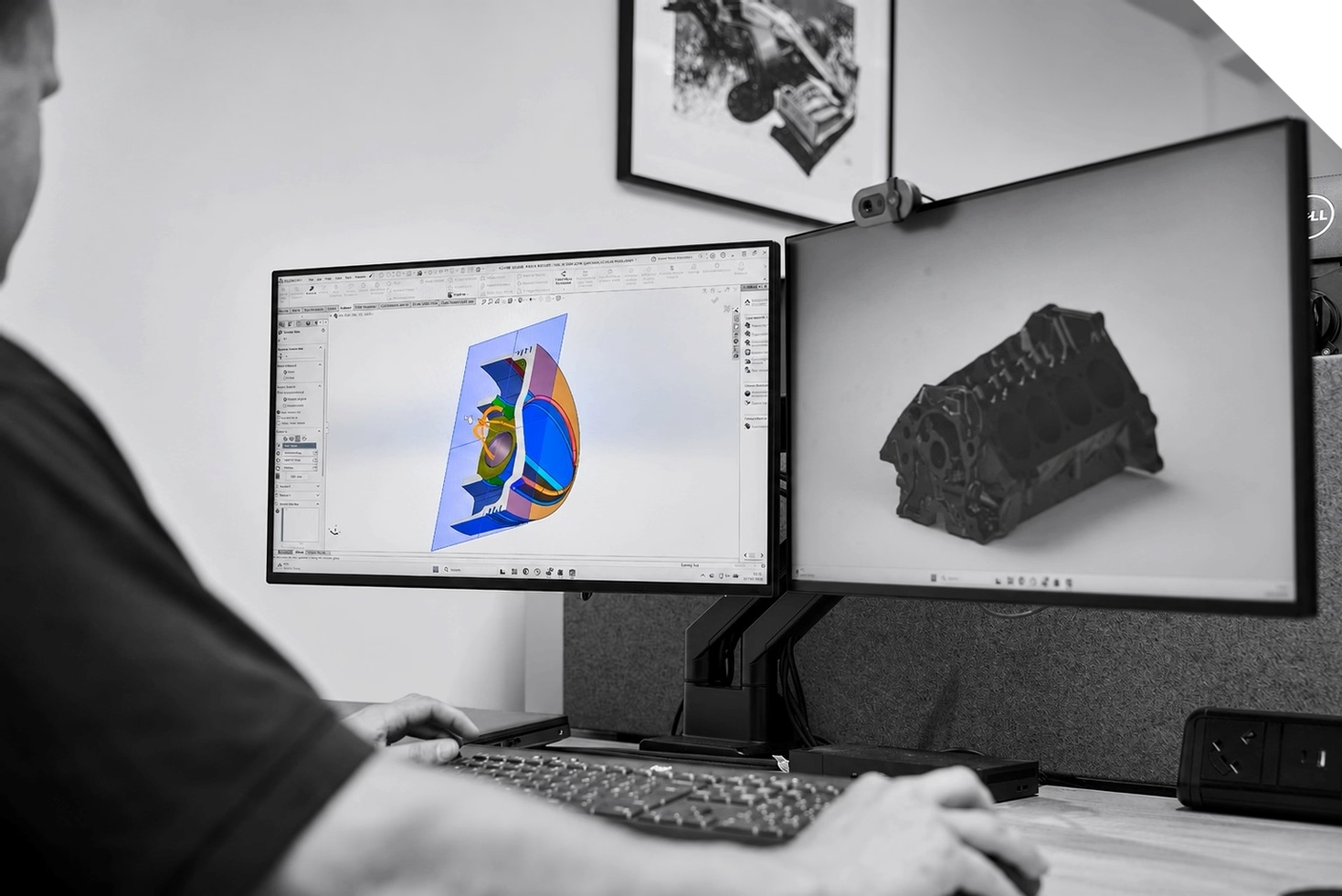
Engineering simulation software helps engineers investigate how a product or component is likely to behave under defined conditions. It can be used to assess structural loads, temperature or fluid flow, depending on the design and the simulation method.
Testing alternative designs virtually allows teams to identify weaknesses earlier and focus physical prototypes on the areas that need further investigation. This can reduce development time and unnecessary iterations while giving engineers a clearer understanding of the trade-offs involved.
As in F1™, the value comes from comparing predicted behaviour with measured performance. Simulation informs engineering decisions, with physical testing used to validate the design and check that the model represents the conditions that matter.
........................................................................
Supply chain simulation software
Factory performance depends on what happens beyond the production line. Materials arriving late, changes in demand or limited warehouse capacity can undermine an otherwise efficient operation.
Supply chain simulation software models the flow of materials and products across a network. Depending on the scope, this can include suppliers, production facilities, storage and distribution through to the customer.
Using information such as inventory levels, lead times and order patterns, teams can explore how the network responds to changing conditions. What happens if a supplier is delayed? How much stock is needed to maintain service? Can production and distribution accommodate a rise in demand?
Connecting supply chain simulation software with manufacturing simulation software helps teams understand how these decisions interact. Increasing factory output, for example, may offer little benefit if storage or distribution cannot absorb the additional volume.
This reflects the system-wide thinking behind Industrial Racecraft™. Performance depends on how the operation works together, so improvements need to be assessed against the wider constraints and the outcome they are intended to achieve.
To explore how simulation could help you identify constraints and evaluate changes across your operation, get in touch with the PurpleSector team.
FAQ’s
The software used depends on the problem being investigated. Manufacturing simulation software can model production flow and resource use, while engineering simulation software focuses on the physical behaviour of products and components.
Engineering simulation software companies offer tools for different disciplines, including structural analysis, thermal analysis and fluid dynamics. Choosing a solution starts with defining the question, the data available and the level of accuracy required.
A factory simulation is a virtual model used to investigate how a manufacturing facility operates. Factory simulation software can represent equipment, production sequences and material movements so teams can assess proposed layouts or process changes before implementing them.
Its usefulness depends on how well the model reflects the operation, including the variation and constraints that affect real production.
Manufacturing simulation software is used to compare production scenarios, identify bottlenecks and evaluate changes to processes or resources. Teams might test a new production schedule, assess an additional machine or investigate the effect of a different product mix.
Manufacturing process simulation software helps reveal the consequences of those choices without interrupting production to run each experiment.
The best manufacturing simulation software depends on the decision you need to make. A layout project may benefit from 3D manufacturing simulation software, while a capacity question may require detailed modelling of production flow and equipment availability.
The choice should also reflect the quality of your data, integration requirements and how the model will be maintained. At PurpleSector, we apply F1™-derived approaches to help manufacturers understand their systems and evaluate improvements in the context of their own operations.
Engineering simulation software uses mathematical models to predict how a product or component will behave under specified conditions. Engineers can investigate factors such as stress, temperature and flow, then compare design options before building or modifying physical prototypes.
The results support design decisions and help target further testing. Their reliability depends on the assumptions, input data and validation of the model.


Get in touch